

Most parents I meet worry about one of two things. Either they think they are not praising their child enough, or they have read somewhere that too much praise turns children into little narcissists. Both worries come from a good place. We all want children who believe in themselves without believing the world owes them something.
I have spent years on the mat with children aged 4 and up, and I have seen what different kinds of praise do to them. The answer is not to praise less. It is to praise differently. This article sets out how to do that at home, starting this week.
Why the type of praise matters more than the amount
Praise is information. Every time you tell a child “well done”, you are teaching them what you value and what they should do more of. If the message they hear is “you are special because you are clever, talented or beautiful”, they learn that their worth depends on fixed traits they did not earn and cannot control.
That leads to two common problems. Some children become fragile: they avoid anything hard because failing would prove they are not so special after all. Others become entitled: they expect admiration for simply turning up, and struggle when the world does not provide it. Neither child is confident in the real sense.
Real confidence is the quiet belief that “if I work at this, I can get better”. That belief is built through praise that points at what the child did, not at who they are.
Praise effort, process and character
Effort
Effort is fully within a child’s control, so praising it gives them something to repeat. Instead of “you are so sporty”, try “you kept going on that last round even when your legs were tired”. The second version tells them exactly which behaviour was worth noticing.
Process
Process praise looks at the method. “You slowed down and checked your feet before each step” or “you asked for help when you got stuck” teaches children that how they approach a problem matters. This is the kind of thinking that carries over from a martial arts programme to homework, music practice and friendships.
Character
Character praise recognises choices that show who a child is becoming: kindness, honesty, patience, courage. “You told me the truth about the broken cup, even though you thought you might be in trouble. That took courage.” A child who hears this learns that good character is noticed and valued, not just results.
Specific praise beats general praise
“Good job” and “amazing” are fine now and then, but they wear thin quickly. Children are sharp. If everything is amazing, nothing is. Specific praise feels more genuine and is far more useful.
A simple formula works well:
- Name what you saw. “You tidied your kit bag without being asked.”
- Say why it mattered. “That meant we left on time and nobody was stressed.”
- Stop there. No need to add “you are the best”. Let the moment land.
Try catching your child doing three specific things right each day this week, and say each one out loud. You will notice that it changes the tone at home, and it also trains you to look for the good rather than only correcting the bad.
Balancing warmth with honesty
Some parents fear that honest feedback will damage a child’s self-esteem. In my experience the opposite is true. Children know when they have not tried their hardest. If we tell them a rushed effort was brilliant, we teach them that our words do not mean much.
Warmth and honesty work together. You can be completely on your child’s side while still telling them the truth:
- “I love watching you train. I noticed your focus drifted in the second half. What do you think happened?”
- “That drawing has great colours. Do you want to keep working on the hands, or are you happy with it?”
- “You did not get the result you wanted, and I can see you are disappointed. I am proud of how you handled it.”
Notice that none of these remove love from the conversation. The child hears that they are accepted, and that there is still room to grow. That combination is what builds resilience.
Avoid comparison praise
“You were the best one there” sounds kind, but it ties a child’s worth to beating others. When they are no longer the best, and one day they will not be, the confidence collapses. Compare them only with their own earlier self: “Three months ago you could not do that. Look at you now.”
What entitlement looks like, and what to do about it
If your child expects praise for everything, gets upset when they are not first, or blames others when things go wrong, do not panic. These are normal phases for many children. They are signals to adjust, not labels.
- Reduce automatic praise for things that are simply expected, such as putting shoes on or saying thank you. A warm smile is enough.
- Give responsibility. Small jobs at home, like feeding a pet or laying the table, show children that they contribute rather than only receive.
- Celebrate others together. Point out when a sibling or friend did something well, and invite your child to say so too.
- Let them struggle a little. Do not rescue them from every difficulty. Confidence grows on the other side of a challenge they solved themselves.
If you are worried that your child’s behaviour or self-esteem goes beyond the usual ups and downs, have a quiet word with their school or your GP. They can help you work out whether anything more is needed.
How martial arts helps children learn the right kind of pride
I was bullied as a child, and when I built The Warrior Academy from Rode in Somerset, I wanted a place where children earned their confidence rather than being handed it. Since 2011 our programmes have been built on the three Cs: confidence, conduct and concentration.
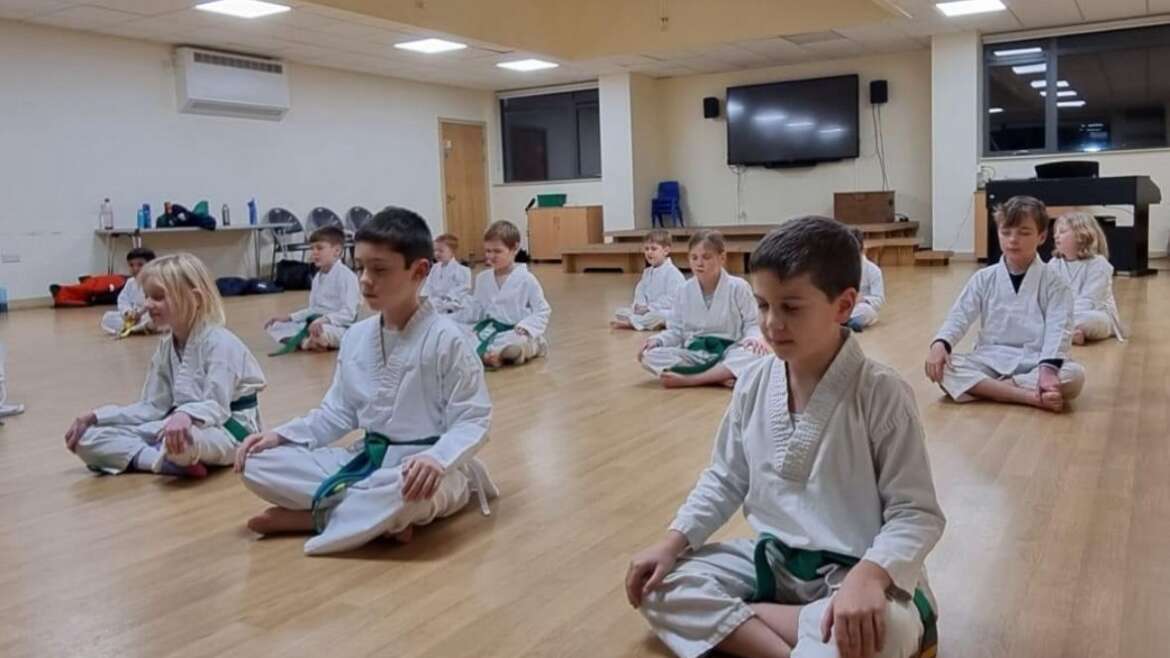
Martial arts is a natural home for good praise. Our instructors praise effort, technique and attitude, not natural talent. Children earn coloured belts through gradings, and every belt is the result of practice, not a reward for simply turning up. A child who earns their next belt knows exactly why they earned it, and that knowledge is worth more than any amount of “you are amazing”.
Because our programmes are small and personal, instructors get to know each child and can give them the specific, honest feedback this article describes. Parents at our Character Development Centre in Salisbury, our club at Motcombe for Shaftesbury and Gillingham and our Corsham club near Chippenham often tell us they have started using the same language at home.
If you would like to see how it works, book a free taster and come and watch your child in action.
Key takeaways
- Praise effort, process and character, not fixed traits like talent or looks.
- Specific praise feels genuine and tells children exactly what to repeat.
- Honest feedback delivered warmly builds resilience, not damage.
- Compare children with their earlier selves, never with other children.
- Earned achievements, like a belt won at a grading, build lasting confidence.
Find your nearest club
Martial arts and character development programmes for children aged 4 and up, across Wiltshire, Somerset, Bath and North Dorset.
Try a free taster
See how The Warrior Academy builds confidence, focus and respect in children aged 4 and up, at our Salisbury centre and clubs across Wiltshire, Somerset, Bath and North Dorset.
Book a free tasterMore from the blog