

Cyberbullying is bullying that happens through phones, games, apps and social media. It can be harder on children than playground bullying because it can be anonymous, it does not stop at the school gate, it can be seen by a large audience and it can stay online for a long time.
The best protection is a mix of open communication, sensible limits and a child who feels confident and knows what to do. You do not need to be a technology expert. You need to stay close, set clear rules and have a plan ready if something goes wrong.
How cyberbullying is different from traditional bullying
When I was bullied as a child, I could at least get away from it when I got home. Many children today cannot. Online bullying has some features that make it especially hard:
- Anonymity. Children can hide behind fake accounts or usernames, so the target may not even know who is behind it, and the bully may say things they never would face to face.
- It never stops. It follows children into their bedroom, at weekends and on holiday.
- The audience can be huge. A cruel comment or embarrassing photo can be shared across a whole year group in minutes.
- It is permanent and public. Screenshots mean that even deleted posts can resurface later.
The emotional impact on children
Because it is constant and public, cyberbullying can leave children feeling trapped, embarrassed and alone. Many do not tell their parents because they worry their phone or tablet will be taken away. Signs to watch for include:
- Seeming upset, anxious or angry after using their phone or computer
- Suddenly avoiding devices, or becoming secretive about them
- Not wanting to go to school or see friends
- Changes in sleep, appetite or mood
- Saying negative things about themselves
If your child talks about harming themselves, or seems so low that they are not functioning day to day, speak to your GP straight away.
Keep communication open
The single most protective thing you can do is make sure your child will come to you when something goes wrong online. That trust is built offline, through regular quality time.
- Talk about their online world with interest. Ask which games they play and who they chat to, in the same way you would ask about their day.
- Promise you will not overreact. Tell them clearly that if something upsetting happens, they will not be in trouble and you will not automatically take their phone away.
- Make time without screens. Car journeys, walks, meals and bedtime chats are often when children open up.
- Share your own values. Talk about how to treat people online, and that it is never okay to join in when someone else is being picked on.
Sensible limits that actually help
Limits are not about punishment. They reduce the chances of something going wrong and give your child breathing space.
- Age-appropriate platforms. Most social media apps require users to be at least 13. Check the age rating of apps and games before your child signs up, and use parental controls and privacy settings.
- Time limits. Agree how long they can spend online each day, and stick to it. Built-in screen time tools on phones and consoles can help.
- Phones out of bedrooms at night. Charge devices in a shared space such as the kitchen. This protects sleep and means bullying cannot reach them at 11pm.
- Private accounts. Keep profiles private and teach your child only to accept friends they know in real life.
- Think before posting. A simple rule: if you would not want your head teacher or grandparent to see it, do not post it.
What to do if your child is being bullied online
If it happens, stay calm and thank your child for telling you. Then work through these steps together:
- Do not reply. Responding usually gives the bully the reaction they want and can make things worse.
- Save the evidence. Take screenshots of messages, posts and usernames, with dates and times. Keep a simple log of what happened.
- Block and report. Block the account and use the platform’s reporting tools.
- Tell the school. Even if it happens outside school hours, schools usually want to know, especially if it involves other pupils.
- Contact the police if needed. If there are threats of violence, sexual images, or messages that make you fear for your child’s safety, report it to the police.
Afterwards, keep checking in. Children can say they are fine while still feeling shaken.
How martial arts helps children become a digital black belt
I like to think of the goal as raising a “digital black belt”: a child who is confident, kind and safe online. The same qualities that help in the playground help on a screen. A child who likes themselves is less likely to be crushed by a cruel comment, more likely to tell an adult, and less likely to join in when others are unkind.
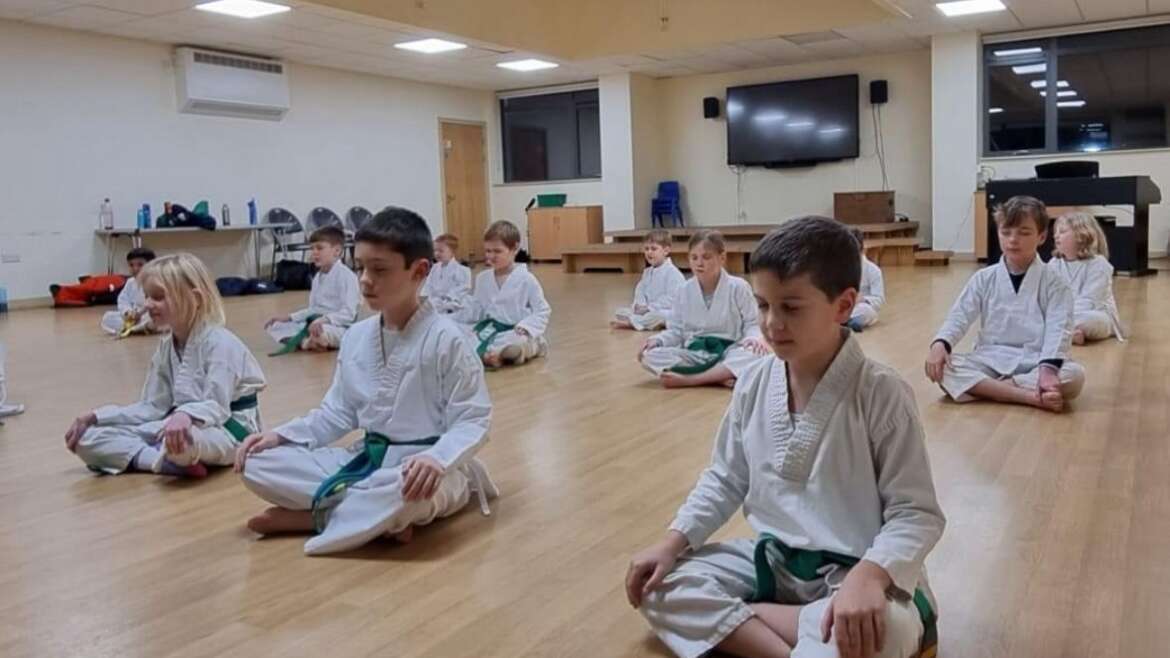
At The Warrior Academy, our martial arts and character development programmes for children aged 4 and up focus on the three Cs: confidence, conduct and concentration. Children learn to stay calm under pressure, respect others and make good choices, and they spend time away from screens being active with friends. You will find our programmes in Motcombe, for Shaftesbury and Gillingham, at Monkton Prep School in Bath, and in Freshford, near Bradford on Avon. If you would like to try it, book a free taster.
Key takeaways
- Cyberbullying can be anonymous, constant, widely seen and permanent.
- Open communication and regular quality time make your child more likely to tell you.
- Stick to age-appropriate apps, agree time limits and keep phones out of bedrooms at night.
- If it happens: do not reply, save evidence, block and report, tell the school, and call the police for threats or images.
- A confident, kind child is far better equipped to stay safe online.
Find your nearest club
Martial arts and character development programmes for children aged 4 and up, across Wiltshire, Somerset, Bath and North Dorset.
Try a free taster
See how The Warrior Academy builds confidence, focus and respect in children aged 4 and up, at our Salisbury centre and clubs across Wiltshire, Somerset, Bath and North Dorset.
Book a free tasterMore from the blog