Martial arts benefits children by building self-discipline, focus, respect and resilience, alongside fitness and the confidence to stay safe. Done well, it is as much a character programme as a sport, and children carry those lessons into school, friendships and family life.
Many parents first come to martial arts because their child needs more confidence, more exercise or more focus. They stay because they see a change in behaviour at home. Below are the ten benefits I see most often, and an honest answer to the worry many parents have about violence.
Does martial arts make children more violent?
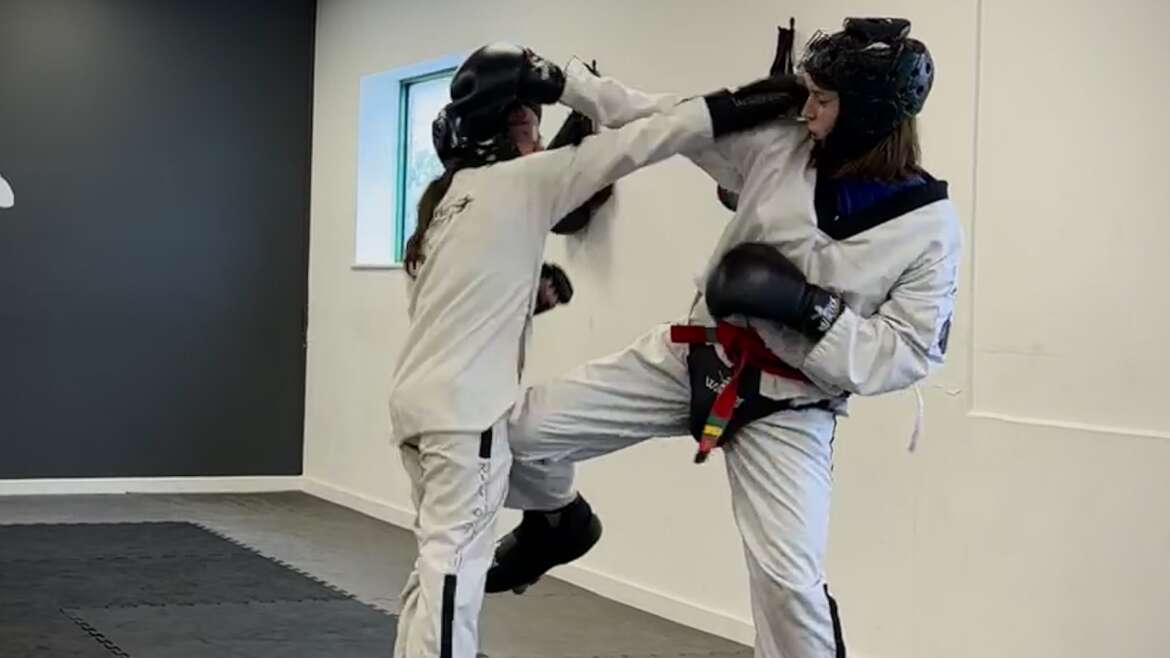
This is the question I am asked more than any other, so it is worth answering first. A good martial arts programme teaches control, not aggression. Children learn rules, boundaries and when not to use what they know. Sparring is supervised, structured and built on respect for your partner.
In our programmes the first lesson on staying safe is always to walk away. Children who feel capable tend to feel less need to prove themselves, so they are usually calmer, not more combative. If a club encourages aggression or showing off, it is the wrong club.
Benefits for the mind
1. Self-discipline
Martial arts asks children to stand still, listen, wait their turn and practise the same move until it is right. Over time, that habit of doing what needs to be done, even when it is not exciting, transfers to homework, chores and getting ready in the morning.
2. Focus
Following a sequence of instructions, remembering a pattern and reacting to a partner all train concentration. Parents often notice their child can stick with a task for longer.
3. Setting and achieving goals
The belt system gives children clear, visible goals. They know what they need to learn for their next grading, they work towards it and they experience the pride of earning it. Learning that effort leads to progress is one of the most valuable lessons a child can have.
Benefits for character
4. Respect
Bowing, listening to instructors and looking after training partners are part of every session. Respect becomes a habit rather than a rule that has to be enforced.
5. Self-esteem
Confidence built in martial arts is earned. A child who has mastered a difficult technique or passed a grading knows they did it themselves, and that kind of self-belief lasts.
6. Resilience after setbacks
Not every grading goes perfectly and not every technique clicks first time. Children learn to try again, take feedback and keep going. That bounce back is exactly what they need for exams, friendship troubles and the bigger challenges of growing up.
Benefits for body and safety
7. Physical activity and less screen time
Martial arts builds strength, balance, coordination and flexibility, and it is active from start to finish. It also gives children something genuinely absorbing to do away from a screen, which many parents find helps with sleep and mood.
8. Knowing how to stay safe and avoid conflict
Children learn to recognise when a situation is turning bad, to use a calm, confident voice and body language, and to walk away first. Physical skills are a last resort. Knowing they have options helps children feel safer and act more calmly.
Benefits for friendships and belonging
9. Social skills and friendships
Working with a partner, encouraging others and being part of a group give children plenty of practice at getting along. Shy children often find it easier to make friends through a shared activity, and martial arts brings together children from different schools.
10. A positive community
A good club becomes a second community outside school, with positive role models and peers who value effort and kindness. For a child having a hard time at school, that sense of belonging somewhere else can make a real difference.
How to get the most out of these benefits
The benefits do not appear after one session. They build steadily, and they grow faster when home and club work together.
- Be consistent. Regular attendance matters more than anything else.
- Praise effort, not just results. Notice when they practise, not only when they pass.
- Use the language at home. If the club talks about focus or respect, use the same words.
- Come to gradings. Seeing you there tells your child their effort matters.
- Talk to the instructors if something is worrying you, at home or in training.
How martial arts helps your child at The Warrior Academy
I was bullied as a child, and martial arts was what gave me the confidence and self-belief I needed. That is why I started The Warrior Academy in Rode, Somerset, and why our programmes for children aged 4 and up are built around the three Cs: confidence, conduct and concentration. Worldwide we now work with 16,000 students a year, and the aim is the same for every one of them: to grow into confident, respectful young people.
Children earn coloured belts through gradings, and those who want an extra challenge can take part in our Summer Samurai and Winter Warrior competitions. You can find us in Freshford, for Bradford on Avon, at our Character Development Centre for Salisbury and Amesbury, and in Motcombe, for Shaftesbury and Gillingham. The best way to see these benefits for yourself is to book a free taster.
Key takeaways
- Martial arts builds discipline, focus, respect and resilience as well as fitness.
- A good programme teaches control and walking away first, not aggression.
- Belts give children clear goals and the pride of earning them.
- A positive club community supports children who are struggling elsewhere.
- Consistency and praise for effort at home help the benefits grow.
Find your nearest club
Martial arts and character development programmes for children aged 4 and up, across Wiltshire, Somerset, Bath and North Dorset.
Try a free taster
See how The Warrior Academy builds confidence, focus and respect in children aged 4 and up, at our Salisbury centre and clubs across Wiltshire, Somerset, Bath and North Dorset.
Book a free tasterMore from the blog