

If you want a confident child, the most useful things you can do are surprisingly ordinary: show them what confidence looks like, encourage them to try new things, praise their effort rather than their results, back their interests and teach them to set goals. Confidence is built through experience, not handed over with a compliment.
Just as important is what you stop doing. Many loving parents accidentally hold their children back by doing too much for them, protecting them from every failure or making their love feel like a reward for good performance.
I was bullied as a child, and building my own confidence took years. Today, in our programmes at The Warrior Academy, I see the same pattern again and again: children grow in confidence when the adults around them give them room to try, struggle and succeed on their own terms.
1. Lead by example
Children learn far more from what we do than from what we say. If they watch you avoid challenges, criticise yourself or give up when things get hard, they will copy it. If they see you try something new, make a mistake and laugh it off, they learn that this is what normal, confident people do.
- Let them see you learning something, whether it is a language, a sport or a new recipe.
- Talk out loud about how you handle nerves: “I’m not sure how this will go, but I’m going to give it a go.”
- Stand tall, make eye contact and speak clearly when you deal with other people. They are watching.
- Be kind about yourself in front of them. “I got that wrong, I’ll do better next time” is far healthier than “I’m useless at this.”
2. Say yes to new challenges
Every time a child tries something new and survives it, their belief in themselves grows a little. That might be ordering their own food in a café, joining a club where they don’t know anyone, or standing up in assembly.
When your child is invited to do something slightly outside their comfort zone, try to make “yes” your default answer. Help them prepare, talk through what might happen, and then let them do it. The aim is not for everything to go perfectly. The aim is for them to discover that they can cope.
3. Praise attitude and effort over results
“You’re so clever” feels like a lovely thing to say, but it teaches children that their worth depends on being clever. The moment something feels hard, they start to worry they are not clever after all, and they may stop trying.
Praise the things they can control instead:
- “You kept going even when it was difficult.”
- “I loved how you helped your brother without being asked.”
- “You practised that every day this week, and it shows.”
- “You were disappointed, but you stayed calm and shook hands. That takes real character.”
This kind of praise tells children that effort, attitude and behaviour matter most. Those are the things that carry them through secondary school, friendships and, eventually, work.
4. Invest in their interests
Every child is good at something, and finding that something can transform how they see themselves. It could be football, drawing, music, coding, dance or martial arts. When a child gets better at a skill they care about, they gain proof that hard work pays off.
Investing does not have to mean spending lots of money. It means taking their interest seriously: turning up to watch, asking them to teach you what they have learned, helping them find the next step and celebrating progress. If they lose interest after giving something a fair try, that is fine too. Help them find the next thing.
5. Teach goal setting
Goals give children a clear target and, when they hit it, a real reason to feel proud. Start small and make the goals specific and achievable.
- Choose one goal together, such as learning to swim a width or reading a chapter book on their own.
- Break it into small weekly steps they can tick off.
- Write it down and put it somewhere they will see it, like the fridge.
- Check in once a week. Talk about what went well and what to try next.
- Celebrate when they get there, then ask, “What’s next?”
Over time, children learn a powerful lesson: if I want something, I can make a plan and work towards it. That is confidence they own.
Five pitfalls that quietly knock confidence
Most of these come from a place of love, which is exactly why they are so easy to fall into.
Doing everything for them
Packing their bag, tying their shoes and sorting out every disagreement with friends saves time, but it sends the message that you don’t think they can manage. Give them age appropriate jobs and let them do them, even if the result is not perfect.
Preventing all failure
Failure is where resilience is built. If children never experience losing a game, getting a question wrong or not being picked, the first big disappointment can floor them. Let small failures happen, then help them reflect and try again.
Only giving easy tasks
Success on something easy does not feel like much. Children need tasks that stretch them a little so that success means something. Aim for challenges that are hard but achievable with effort.
Love that feels conditional on performance
If your warmth seems to rise after a good school report and cool after a bad one, children notice. Make sure they know your love is constant, whatever the result. You can be disappointed in a choice without being disappointed in them.
Withholding affection when they struggle
The moments when children are struggling are the moments they need you most. A hug, a calm word or simply sitting with them tells them they are safe to keep trying. Save the problem solving until they feel settled.
How martial arts helps build a confident child
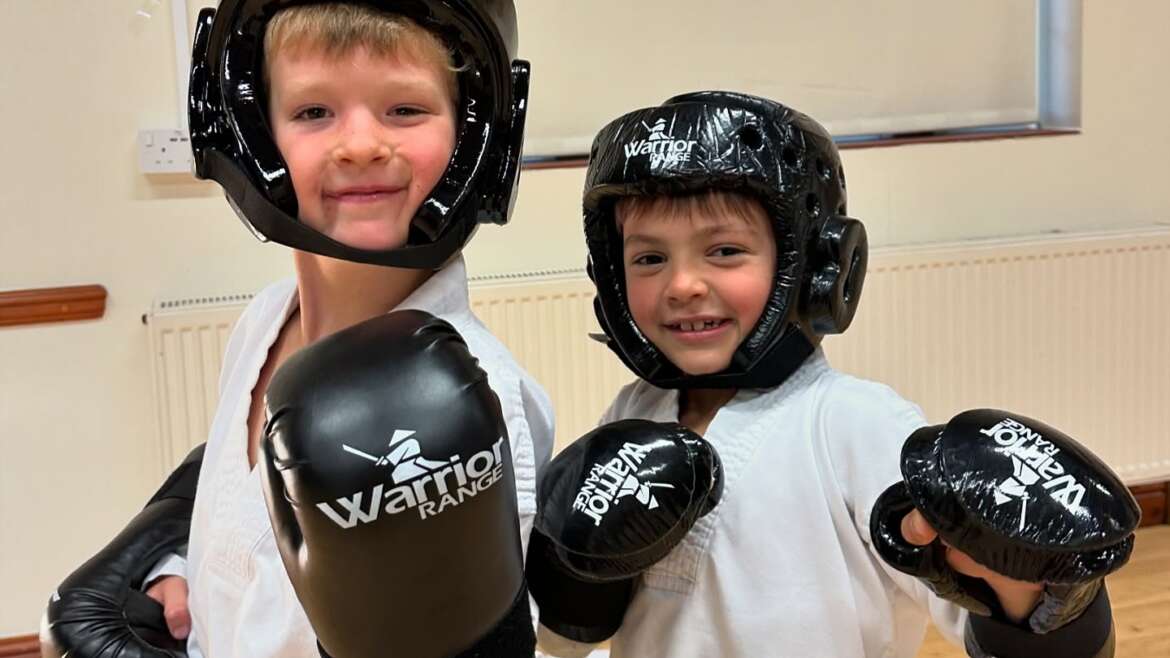
Everything above is built into how we teach. Our martial arts and character development programmes for children aged 4 and up focus on the three Cs: confidence, conduct and concentration. Students work towards coloured belts through gradings, which gives them clear goals, regular challenges and something real to be proud of when they earn the next one.
Our instructors praise effort and attitude, set challenges that stretch each child, and create a positive community where mistakes are part of learning. Children practise standing tall, making eye contact and speaking with a clear voice, and many go on to test themselves at our Summer Samurai and Winter Warrior competitions.
You can see this in action at our Character Development Centre in Salisbury and Amesbury, or at our club in Corsham, near Chippenham. The easiest way to find out if it suits your child is to book a free taster session.
Key takeaways
- Confidence is built through experience, so give your child plenty of chances to try new things.
- Praise effort, attitude and behaviour rather than results or talent.
- Back their interests and teach them to set small, specific goals.
- Avoid doing everything for them or protecting them from every failure.
- Make sure your love and warmth never depend on how well they perform.
Find your nearest club
Martial arts and character development programmes for children aged 4 and up, across Wiltshire, Somerset, Bath and North Dorset.
Try a free taster
See how The Warrior Academy builds confidence, focus and respect in children aged 4 and up, at our Salisbury centre and clubs across Wiltshire, Somerset, Bath and North Dorset.
Book a free tasterMore from the blog