

Social media can affect a child’s self-esteem in both directions. It can help them feel connected, express themselves and find support, but it can also expose them to constant comparison, cyberbullying and unrealistic standards of beauty and success that leave them feeling they are never good enough.
The effect depends a great deal on how much time they spend online, what they see there and whether they have the skills to make sense of it. Parents cannot control every app, but they can shape the habits, conversations and real-world confidence that protect a child’s mental health.
Most of the big platforms set a minimum age of 13, yet many children have phones and accounts well before then. In my work with families, the most common worry I hear is not whether children use social media, but how to stop it chipping away at how they feel about themselves.
The benefits of social media for children
It is worth being fair about the positives, because children notice when adults only see the bad side.
- Belonging. Staying in touch with friends, especially after a house move or the jump to secondary school, can help children feel part of a group.
- Self-expression. Sharing art, music, sport or ideas gives children an outlet and a chance to be recognised for what they enjoy.
- Support. Children with particular interests or challenges can find others who understand them.
- Learning. Plenty of good content teaches skills, from drawing to cooking to science.
The risks to self-esteem and mental health
Constant comparison
Social media shows the highlights of other people’s lives. Children compare their ordinary day with someone else’s best moments and come up short. Over time, this can leave them feeling less popular, less attractive or less successful than everyone else.
Unrealistic standards and body image
Filtered photos, edited clips and influencer lifestyles present a version of beauty and success that is simply not real. Children, particularly as they approach their teens, can start to judge their own bodies and lives against images that have been carefully staged.
Cyberbullying
Bullying no longer stops at the school gate. Unkind comments, group chats that leave someone out and shared screenshots can follow a child home and into their bedroom at night. Because it happens on a screen, adults often don’t see it.
Fewer face-to-face skills
Time spent scrolling is time not spent playing, talking and learning to read other people. Children who rely on messages can find real conversations, eye contact and handling disagreements in person much harder.
Practical steps to protect your child
Set clear limits on screen time
Agree how long and when screens can be used, and stick to it. Many families find a few simple rules work well:
- No phones at the dinner table.
- Devices charge outside bedrooms overnight.
- No screens for the first part of the morning or the last hour before bed.
- Homework and jobs before social media.
Build in breaks and real alternatives
Telling a child to get off their phone works better when there is something worth doing instead. Sport, clubs, outdoor play, music and time with friends all give children a sense of achievement that no number of likes can match.
Protect face-to-face time
Make time as a family where nobody is on a device, including you. Board games, walks, cooking together or simply talking in the car all help children practise the skills social media can erode.
Teach them to view content critically
Help children question what they see. Ask them: “Do you think that photo has been edited?”, “Why do you think they posted that?” and “How did that make you feel?” When children understand that much of what they see is staged or selling something, it loses some of its power over them.
Monitor and keep talking
Use the privacy and parental settings on devices and apps, and know which platforms your child uses. More important than any setting, though, is an open conversation. Children who feel they can tell you about something upsetting without losing their phone are far more likely to come to you when it matters.
Signs your child may be struggling
Watch for changes that seem out of character: becoming withdrawn, being secretive about their phone, seeming upset after being online, sleeping badly, losing interest in things they used to enjoy, or being unusually harsh about their appearance. Any of these is a reason to talk calmly with them.
If your child is being threatened or harassed online, keep a record of the messages with dates and screenshots, report it on the platform and speak to their school. If there is any threat to their safety, contact the police. If you are worried about their mental health, signs of self-harm or an eating problem, speak to your GP straight away.
How martial arts helps build self-esteem offline
One of the best protections against the pressures of social media is a child who feels good about who they are in real life. At The Warrior Academy, our martial arts and character development programmes help children aged 4 and up build exactly that, through the three Cs: confidence, conduct and concentration.
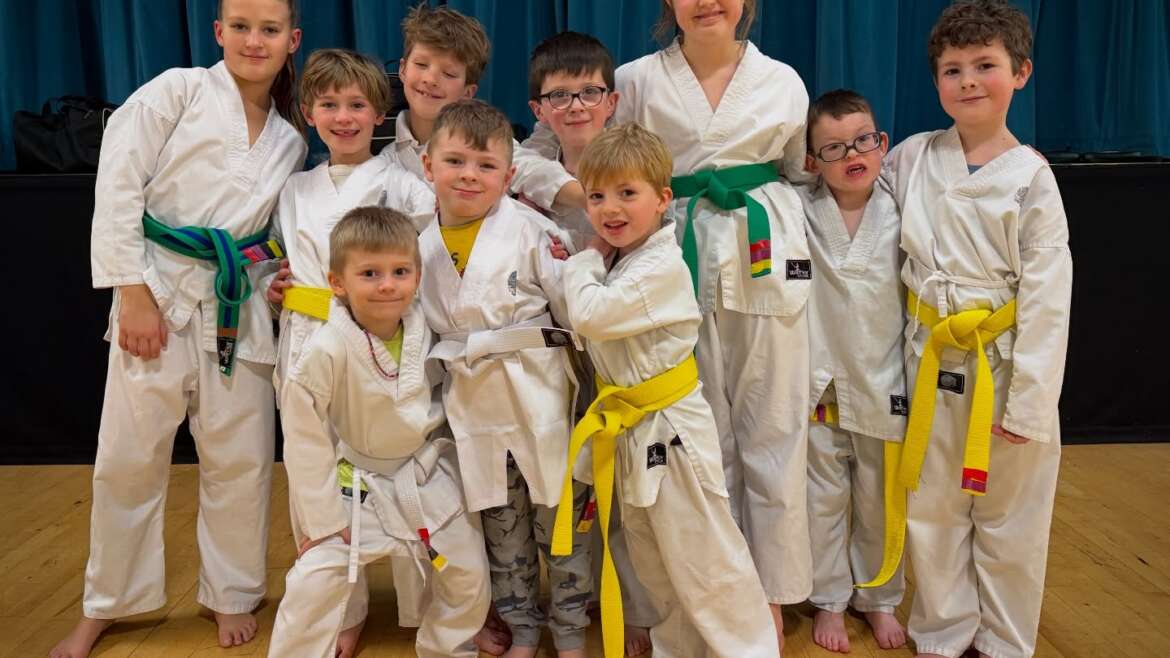
Children earn coloured belts through gradings, so their sense of achievement comes from real effort rather than likes and followers. They practise face-to-face skills in every session: eye contact, a clear voice and calm body language. And they become part of a positive community outside school, which matters enormously if they ever face bullying, online or off.
You will find us at our club in Rode, near Frome and Trowbridge, where The Warrior Academy first began, and in Corsham, for Chippenham. If you would like to see whether it suits your child, book a free taster session.
Key takeaways
- Social media can help children connect and express themselves, but it can also damage self-esteem through comparison and unrealistic standards.
- Most platforms have a minimum age of 13, so think carefully before younger children have accounts.
- Set clear screen time limits and give children real-world activities to enjoy instead.
- Teach children to question what they see online and keep talking openly about their experiences.
- Take cyberbullying and signs of poor mental health seriously, and involve the school, GP or police when needed.
Find your nearest club
Martial arts and character development programmes for children aged 4 and up, across Wiltshire, Somerset, Bath and North Dorset.
Try a free taster
See how The Warrior Academy builds confidence, focus and respect in children aged 4 and up, at our Salisbury centre and clubs across Wiltshire, Somerset, Bath and North Dorset.
Book a free tasterMore from the blog