

Low confidence in children does not always look like shyness. It often shows up as behaviour that is easy to mistake for naughtiness: lashing out, lying, refusing to try new things, quitting, or blaming everyone else. Underneath, many of these children are feeling unsure of themselves and are trying to protect themselves from failing or being judged.
Recognising the signs is the first step. Once you know what you are looking at, you can respond to the cause rather than just the behaviour. Here are seven signs I see regularly in our programmes, what each one looks like, and what helps.
Signs 1 to 3: aggression, lying and control
1. Aggression as an expression of inner conflict
What it looks like: hitting, shouting, slamming doors or angry outbursts, often over small things. Aggression is frequently a sign that a child feels out of control inside and does not have the words for it.
What helps: stay calm and keep boundaries firm. Once everyone has calmed down, help them name the feeling (“I think you felt embarrassed when you lost”). Teach simple calming tools such as slow breathing, and praise them when they use them.
2. Lying and cheating
What it looks like: lying about schoolwork, bending the rules in games, or exaggerating achievements. Children with low confidence often believe that the truth about them is not good enough.
What helps: make honesty safe. Respond to the truth calmly, even when it is not what you hoped to hear. Praise effort and honesty more than results, so winning or being perfect is no longer the only thing that counts.
3. Controlling and inflexible behaviour
What it looks like: insisting games are played their way, meltdowns when plans change, or needing everything to be just so. This is often a sign of anxiety. Control feels safe when everything else feels uncertain.
What helps: give warning before changes and offer small, real choices. Gradually build flexibility with low-stakes changes, and praise them when they cope. If anxiety is stopping your child from functioning day to day, speak to your GP.
Signs 4 and 5: quitting and negative self-talk
4. Avoiding or quitting
What it looks like: refusing to try new activities, giving up as soon as something becomes hard, or pretending they “don’t care”. If you never try, you can never fail.
What helps: break challenges into small steps they can succeed at. Agree that they finish a term or reach a set point before deciding whether to stop. Share times you found something hard and kept going.
5. Self-criticism and negative self-talk
What it looks like: “I’m stupid”, “I’m rubbish at everything”, “nobody likes me”. These words reveal the story a child is telling themselves.
What helps: do not just argue (“that’s not true!”). Ask gently what happened, and help them find a fairer way to say it, such as “I found that maths hard today.” Point out specific things they have done well. If self-criticism becomes extreme, or your child talks about harming themselves, speak to your GP straight away.
Signs 6 and 7: blaming and struggling with friendships
6. Excuses and blaming others
What it looks like: “the teacher hates me”, “he made me do it”, “the game was unfair”. Taking responsibility feels risky to a child who already feels they are not good enough.
What helps: model owning your own mistakes in a light way: “I got that wrong, I’ll try again.” When your child makes a mistake, focus on what they could do next time rather than on blame. Praise them warmly whenever they own up.
7. Few friendships and social struggles
What it looks like: often being alone at break time, finding it hard to join in, or struggling to keep friends. Low confidence can make children hang back, or try too hard and come across as bossy.
What helps: practise social skills at home, such as how to ask to join a game, take turns and make eye contact. Arrange short, structured playdates with one friend at a time. Activities outside school help too, because shared goals make friendships easier.
Practical ways to rebuild your child’s confidence
Confidence grows through experience, not just encouragement. Children believe in themselves when they have proof that they can do hard things. Try these:
- Praise effort, not just outcomes. “You kept going even when it was tricky” builds more confidence than “you’re so clever”.
- Set small, achievable goals. Each success is evidence your child can use next time.
- Give them responsibility. Age-appropriate jobs at home, like feeding a pet or making their own packed lunch, show them they are capable.
- Practise confident body language. Standing tall, eye contact and a clear voice change how a child feels as well as how others see them.
- Let them struggle a little. Resist rescuing them straight away. Coping with small difficulties builds resilience.
- Spend regular one-to-one time together. Feeling valued by you is the foundation of everything else.
How martial arts helps build children’s confidence
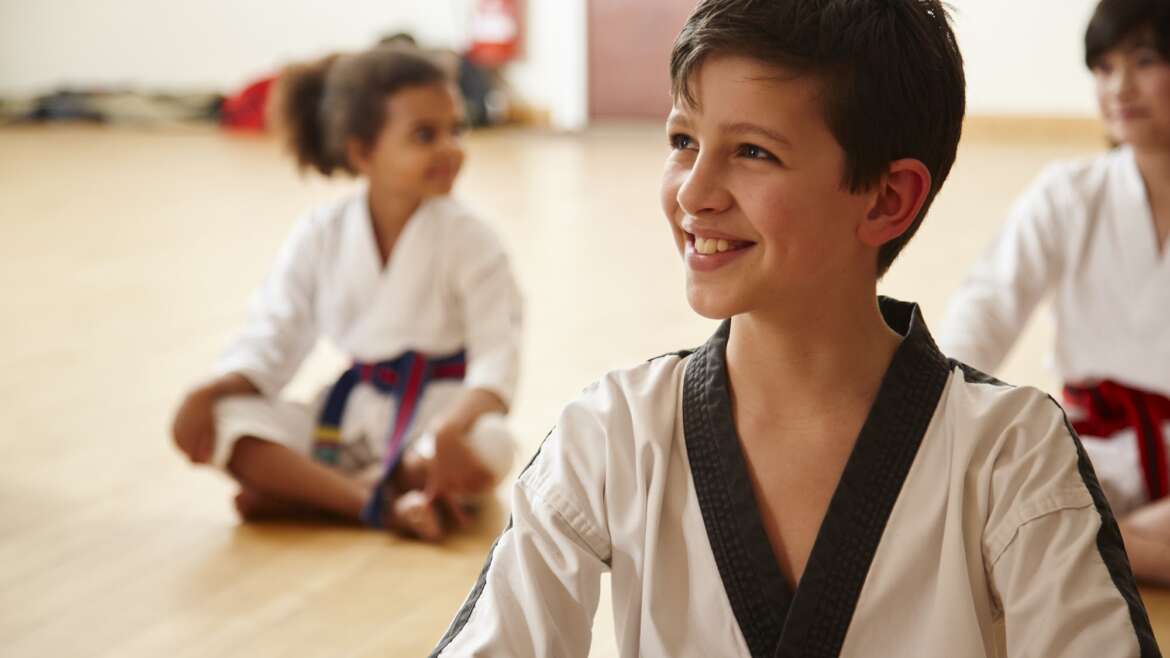
At The Warrior Academy, our martial arts and character development programmes for children aged 4 and up are built around the three Cs: confidence, conduct and concentration. Many of the signs above are exactly what we work on. Children practise standing tall and speaking clearly, learn to handle frustration calmly, and earn coloured belts through gradings, so they have regular proof that effort pays off. Competitions such as Summer Samurai and Winter Warrior give them the chance to step up, and our community gives them friends who share the same goals.
You can join us at our Character Development Centre for Salisbury and Amesbury, in Corsham, near Chippenham, or in Motcombe, for Shaftesbury and Gillingham. To see how your child gets on, book a free taster.
Key takeaways
- Low confidence often looks like bad behaviour: aggression, lying, control, quitting or blaming.
- Respond to the feeling underneath, while keeping boundaries clear.
- Negative self-talk and few friendships are signs to act on early.
- Confidence grows through small successes, responsibility and praise for effort.
- Speak to your GP if anxiety or low mood stops your child functioning day to day.
Find your nearest club
Martial arts and character development programmes for children aged 4 and up, across Wiltshire, Somerset, Bath and North Dorset.
Try a free taster
See how The Warrior Academy builds confidence, focus and respect in children aged 4 and up, at our Salisbury centre and clubs across Wiltshire, Somerset, Bath and North Dorset.
Book a free tasterMore from the blog